Questions & answers

Kinnow & Seedrus FAQ

Everything buyers and the curious ask us about Kinnow mandarins and how we grow and supply them.

Buying & supply

We grow and hand-grade Kinnow by the crate in our grove. Today we sell through dealers and middlemen — that is our current model. We are working toward supplying more directly ourselves over time. Get in touch at hello@seedrus.com if you'd like to talk.

Send your requirement through the contact page, or email hello@seedrus.com or hello@seedrus.in. Tell us the quantity, timing and destination and we will respond with the details.

Yes. India is a major Kinnow producer and exports fresh fruit to markets across South Asia, the Gulf and beyond. Seedrus can supply buyers and exporters.

Today we sell through dealers and middlemen — that is how our fruit reaches wider markets right now. We are working toward supplying more directly over time. If you would like to talk about future direct supply or wholesale, email hello@seedrus.com or message us on Instagram @seed.rus.

Season & harvest

Kinnow is harvested from roughly November to March, with peak sweetness between December and February. Seedrus takes enquiries and plans orders year-round.

About the farm

Seedrus is a family-owned farm in Sappanwali village, Khuian Sarwar tehsil, Fazilka district — part of the Abohar Kinnow belt of Punjab, India.

Seedrus makes no organic or certification claims. We farm with sustainable practices — water-wise irrigation and living soil — and we are honest about it.

About Kinnow

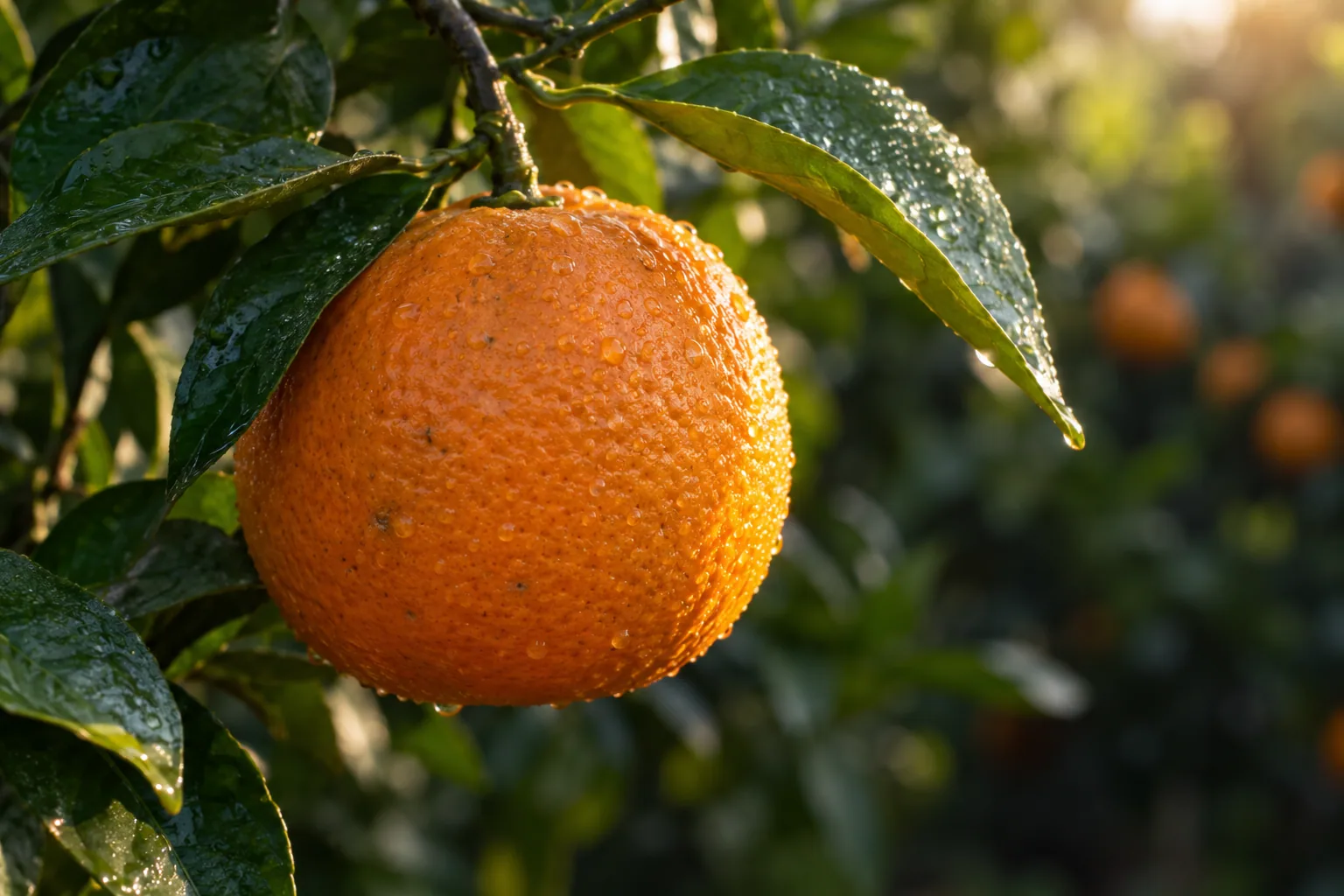
Kinnow is a mandarin — a hybrid of the King and Willow-Leaf citrus varieties — known for its deep orange colour, high juice content and a bright sweet-tart flavour. It is the signature citrus of the Abohar belt of Punjab, India.

Kinnow is a mandarin, not an orange. Compared with a typical orange it is tangier and juicier, with a deeper colour, slightly thicker skin and fragrant segments that pull apart cleanly.

Yes. Kinnow is a variety of mandarin — a hybrid of the King and Willow-Leaf mandarins. It is juicier and tangier than many other mandarins, with more seeds.

It is a natural trait of the fruit. A Kinnow usually holds 12 to 25 seeds. Remove them as you eat, and strain them out when juicing to avoid bitterness.

Kinnow is a mandarin — juicy, tangy and easy to peel. Malta is a type of sweet orange — milder and sweeter, with thinner skin and fewer seeds.

Mostly in Punjab, especially the Abohar–Fazilka belt. Rajasthan (Sri Ganganagar, Hanumangarh) and Haryana (Sirsa) also grow Kinnow.

Usually, yes. Kinnow trees give heavy yields, so there is a large supply in season, which keeps prices lower than oranges.

Eating & storage

Kinnow is rich in vitamin C and dietary fibre, and is a good source of calcium and vitamin A relative to many other citrus fruits, making it a refreshing, nutrient-dense winter fruit.

Yes. Kinnow is one of the juiciest mandarins, with about 48 to 52 percent juice. Squeeze and strain the seeds for a clean, sweet-tart juice.

Keep it in a cool, airy place for up to about two weeks, or in the refrigerator for several weeks. Avoid heat, damp and sealed plastic bags.

Pick fruit that feels heavy for its size, has a deep even orange colour, and is firm but not hard. Avoid soft spots, mould or very light fruit.

Like most citrus, Kinnow is around 45 to 55 calories per 100 grams, making it a light, hydrating fruit that is rich in vitamin C.

Many people can enjoy whole Kinnow in moderation as part of a balanced diet, but everyone is different, so please check with your doctor or dietitian. This is general information, not medical advice.

Have a question we haven't answered? Enquire — we'd love to help.