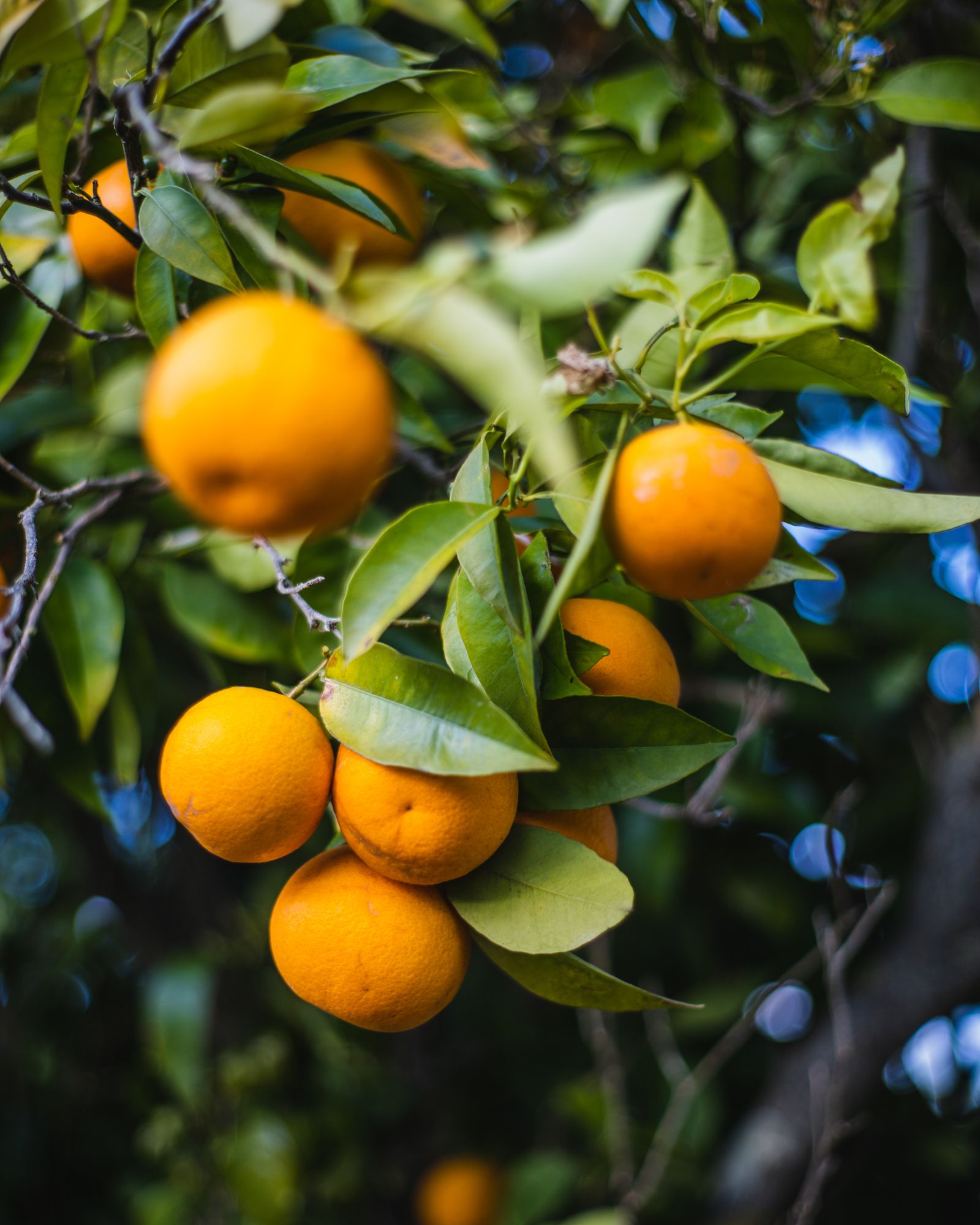
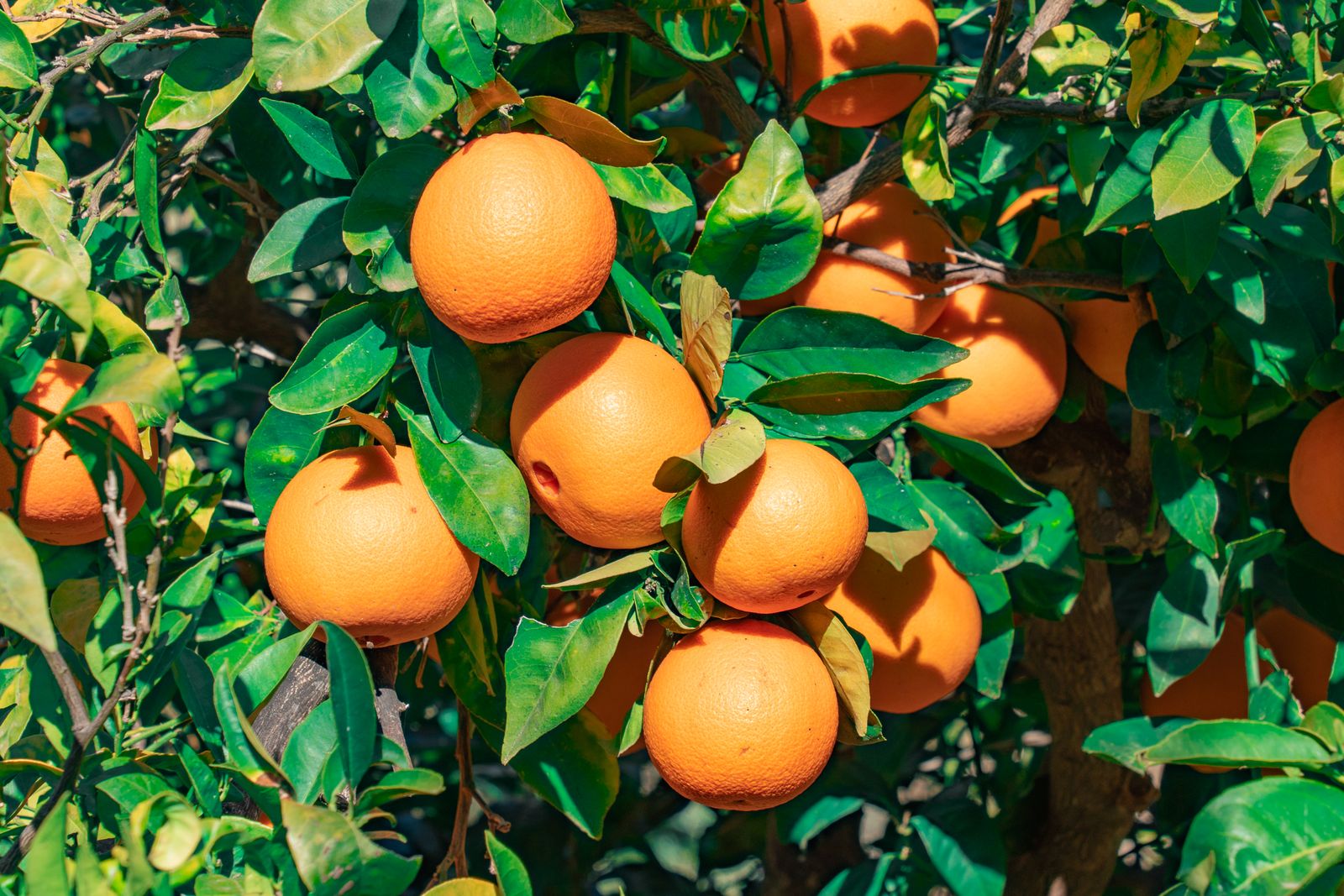
They look similar, but a Kinnow isn't an orange. The short version: Kinnow is a mandarin hybrid — juicier, more tart, more seeds, and higher in some nutrients.
Quick answer: A Kinnow is not an orange. It is a mandarin hybrid — a cross of the 'King' mandarin and the 'Willow Leaf' mandarin. Compared with a common orange, a Kinnow has a thinner-clinging skin, many more seeds, a higher juice content, and a brighter, more tart flavour.
What exactly is a Kinnow?
Kinnow is a mandarin variety created by plant breeder H. B. Frost at the University of California in 1915 and released in 1935. It is a hybrid of two citrus parents — 'King' (Citrus nobilis) and 'Willow Leaf' (Citrus × deliciosa). Introduced to the wider Punjab region around 1940, it thrived in the hot-day, cool-night climate and is now the dominant mandarin of the area — Kinnow makes up roughly 80% of the citrus trees grown there.
Kinnow vs orange, at a glance
- Botany: an orange is a Citrus sinensis; a Kinnow is a mandarin hybrid (Citrus deliciosa × Citrus nobilis).
- Seeds: Kinnow has many seeds — typically 12 to 25 — while most oranges have few.
- Juice: Kinnow is very juicy, around 48–52% of the fruit's weight.
- Taste: Kinnow is more tart and aromatic; oranges taste sweeter and milder.
- Skin & colour: Kinnow is a deeper orange with a slightly thicker, easy-to-peel skin.
- Price: Kinnow yields heavily, so it is usually more affordable than oranges.
Is Kinnow healthier than orange?
Both are excellent sources of vitamin C and support digestion and immunity. Kinnow stands out on a couple of nutrients: it carries noticeably more calcium than most citrus, and a higher level of vitamin A. For most people the practical difference is small — both are a great daily fruit — but Kinnow's juice-forward profile makes it a favourite for fresh juicing.
So which should you choose?
If you want easy eating with few seeds, an orange is convenient. If you want maximum juice, a bright sweet-tart flavour and great value — especially in the Indian winter — Kinnow is hard to beat. The best Kinnow comes from the Abohar citrus belt of Punjab, where the climate concentrates sugar and colour.
Frequently asked questions
Is Kinnow the same as an orange?
No. An orange is Citrus sinensis, while a Kinnow is a mandarin hybrid of King and Willow Leaf mandarins. Kinnow is juicier, more tart and has many more seeds.
Why does Kinnow have so many seeds?
It's a genetic trait of the hybrid — a Kinnow typically holds 12 to 25 seeds. Seedless selections exist but are less common commercially.
Is Kinnow good for juicing?
Yes. With 48–52% juice content, Kinnow is one of the juiciest mandarins. The seeds should be strained out to avoid bitterness.
When is Kinnow in season?
In India, Kinnow is harvested from December to February, with peak sweetness in mid-January to mid-February.
Keep reading
When Is Kinnow Season? A Harvest Guide for India
Kinnow is a winter fruit. In India the harvest runs roughly December through February, and the fruit is at its sweetest from mid-January to mid-February.
How to Buy Kinnow Wholesale in India: A Buyer's Guide
Whether you're a retailer, exporter or juice buyer, sourcing good Kinnow at volume comes down to grade, timing and a supplier you can trust. Here's how it works.