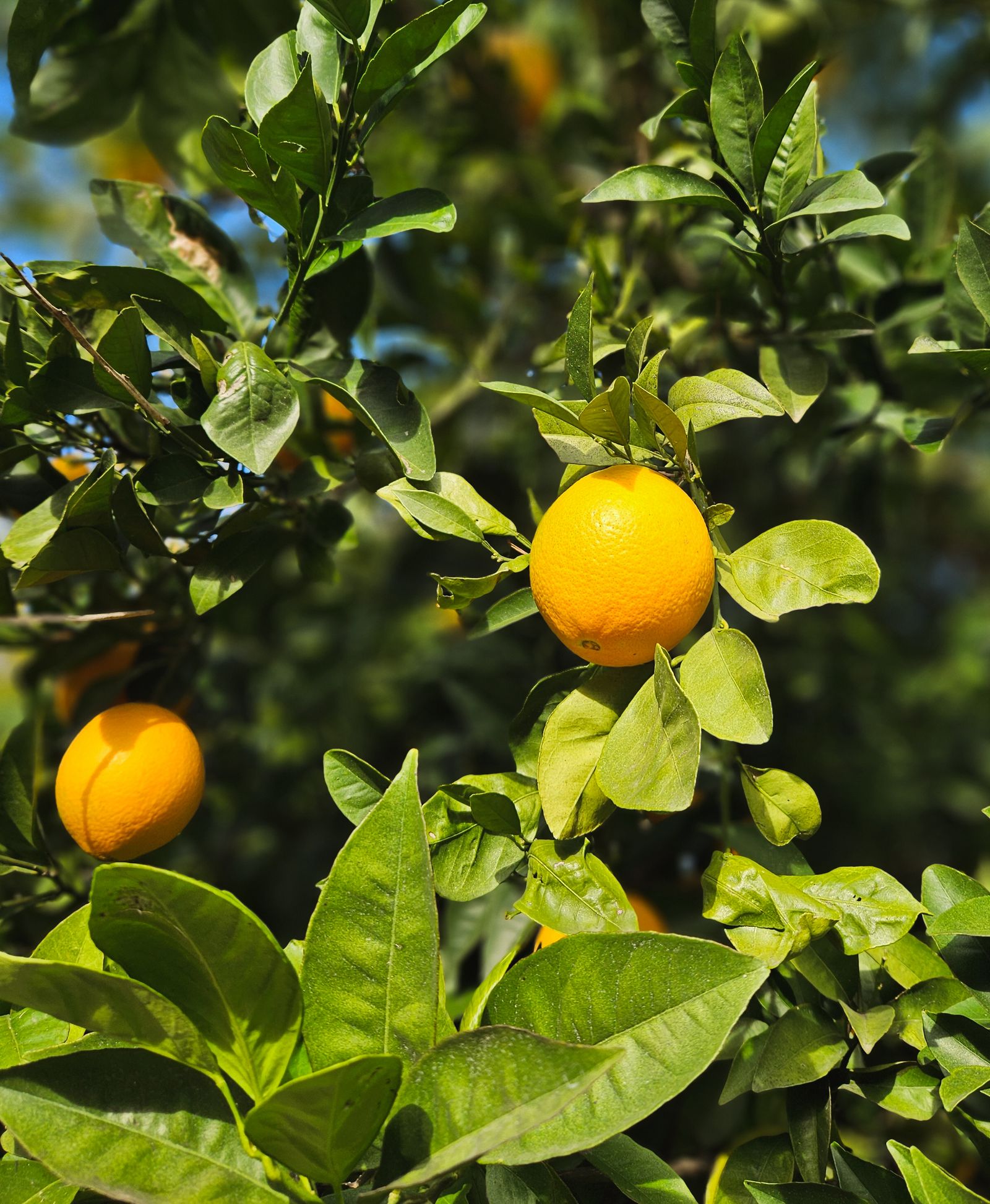
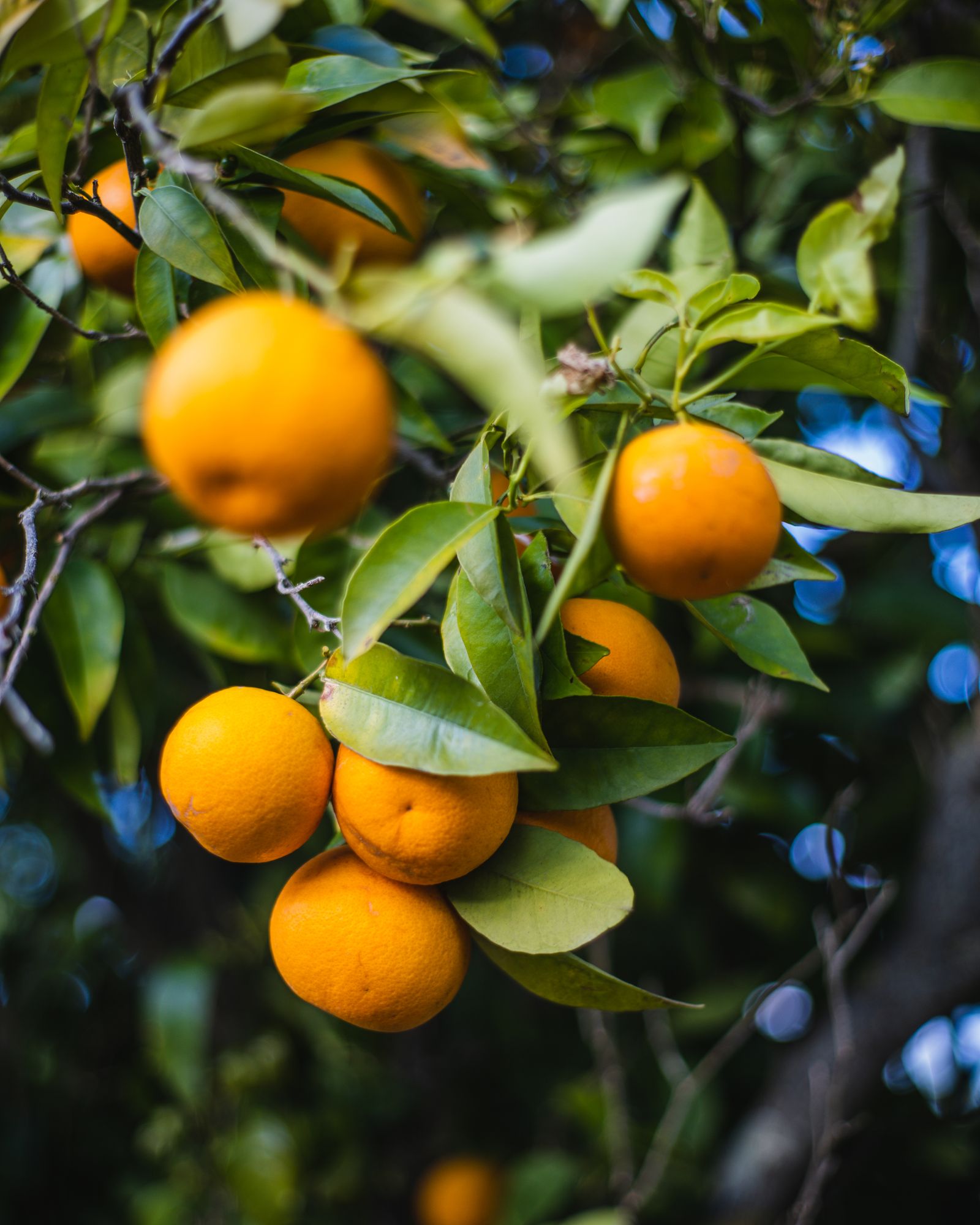
India's Kinnow heartland is Punjab — and within it, the Abohar–Fazilka belt is the benchmark, thanks to a climate built for citrus.
Quick answer: The majority of India's Kinnow is grown in Punjab, with the Abohar–Fazilka belt (including Khuian Sarwar) as the most famous producing area. Neighbouring Rajasthan and Haryana also grow it.
Why the Abohar belt?
Kinnow loves a climate of hot, dry days and cool nights — and the Abohar belt delivers exactly that. This swing between day and night temperatures drives the deep orange colour and the concentrated sweet-tart flavour Kinnow is known for. The same variety grown in a milder climate rarely develops the same intensity.
How Kinnow came to Punjab
Kinnow was bred in California and introduced to the wider Punjab region around 1940. It thrived, and today it is by far the dominant mandarin of the area — Kinnow makes up roughly 80% of the region's citrus trees.
Where within the belt
- Punjab: Fazilka (Abohar), Muktsar, Bathinda and nearby districts.
- Rajasthan: Sri Ganganagar and Hanumangarh.
- Haryana: Sirsa and adjoining areas.
Frequently asked questions
Which state grows the most Kinnow in India?
Punjab is India's leading Kinnow-growing state, with the Abohar–Fazilka belt as its best-known region.
Why is Abohar famous for Kinnow?
Its hot days and cool nights create ideal conditions for deep colour and concentrated sweetness in the fruit.
Is Kinnow grown outside Punjab?
Yes — Rajasthan (Sri Ganganagar, Hanumangarh) and Haryana (Sirsa) also grow Kinnow, though Punjab leads.
Keep reading
Kinnow vs Orange: What's the Difference?
They look similar, but a Kinnow isn't an orange. The short version: Kinnow is a mandarin hybrid — juicier, more tart, more seeds, and higher in some nutrients.
When Is Kinnow Season? A Harvest Guide for India
Kinnow is a winter fruit. In India the harvest runs roughly December through February, and the fruit is at its sweetest from mid-January to mid-February.