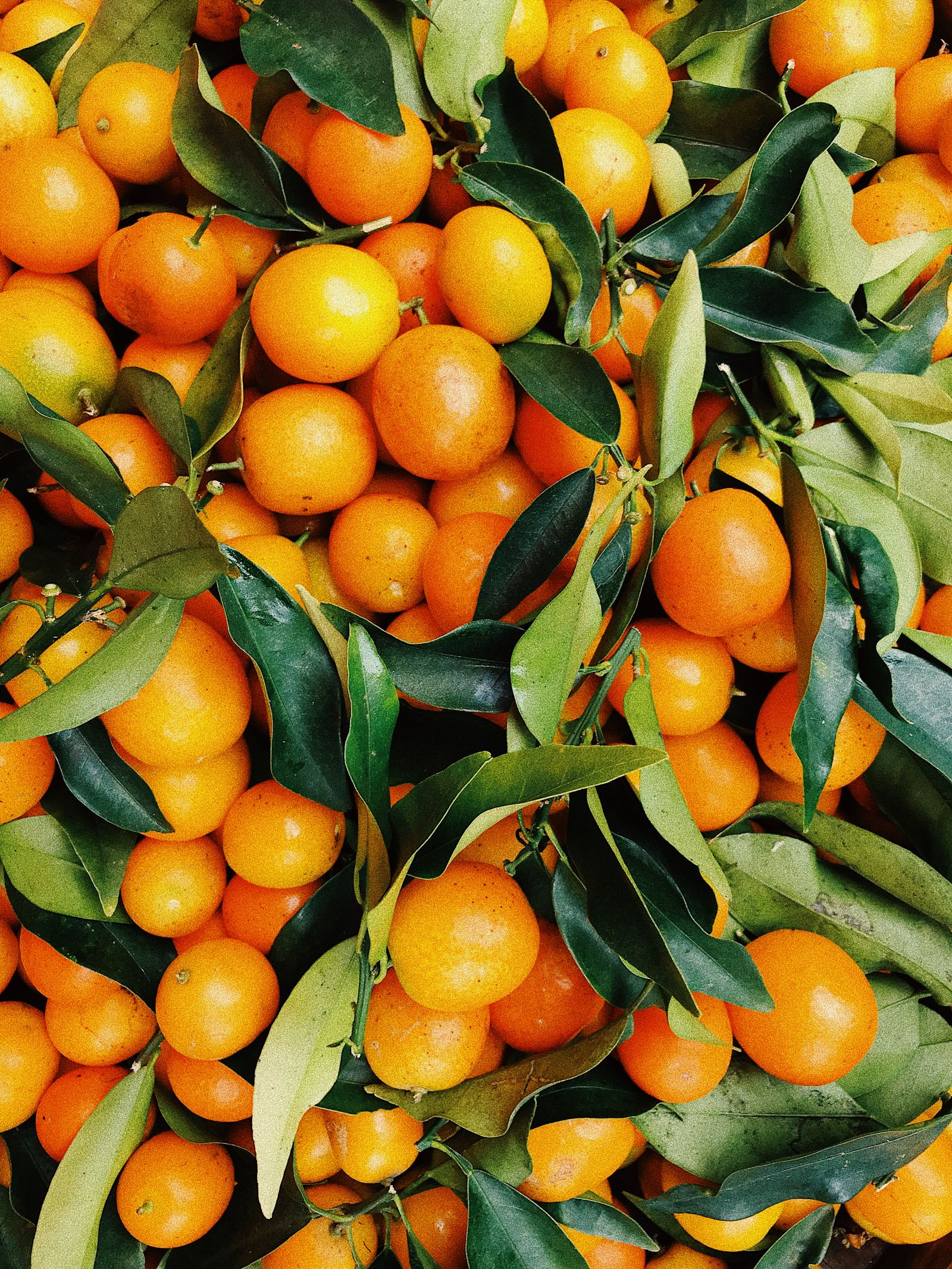
Kinnow is light, hydrating and full of vitamin C. Here is a simple look at what is inside this winter mandarin.
Quick answer: Kinnow is a low-calorie, high-water fruit, rich in vitamin C, with useful amounts of calcium and vitamin A compared with many other citrus fruits. Like all citrus, it is around 45–55 calories per 100 grams.
What is in a Kinnow
- Water: high water content (48–52% juice), so it is hydrating.
- Vitamin C: a strong source, which supports immunity.
- Calcium: more than most citrus, which helps bones.
- Vitamin A: higher than many citrus fruits, good for eyes and skin.
- Fibre: whole fruit gives fibre that supports digestion.
Is Kinnow good for a daily diet?
Yes. Kinnow is a light, nutritious fruit that fits well into a balanced diet, especially in winter. It has natural sugars, so enjoy it whole or as fresh juice in sensible amounts. This is general information, not medical advice.
Frequently asked questions
How many calories are in Kinnow?
Like most citrus, Kinnow is around 45–55 calories per 100 grams, making it a light fruit.
Is Kinnow high in vitamin C?
Yes. Kinnow is a strong source of vitamin C, which supports the immune system.
Does Kinnow have other nutrients?
Yes. It has more calcium and vitamin A than many other citrus fruits, plus fibre in the whole fruit.
Keep reading
Kinnow vs Orange: What's the Difference?
They look similar, but a Kinnow isn't an orange. The short version: Kinnow is a mandarin hybrid — juicier, more tart, more seeds, and higher in some nutrients.
When Is Kinnow Season? A Harvest Guide for India
Kinnow is a winter fruit. In India the harvest runs roughly December through February, and the fruit is at its sweetest from mid-January to mid-February.