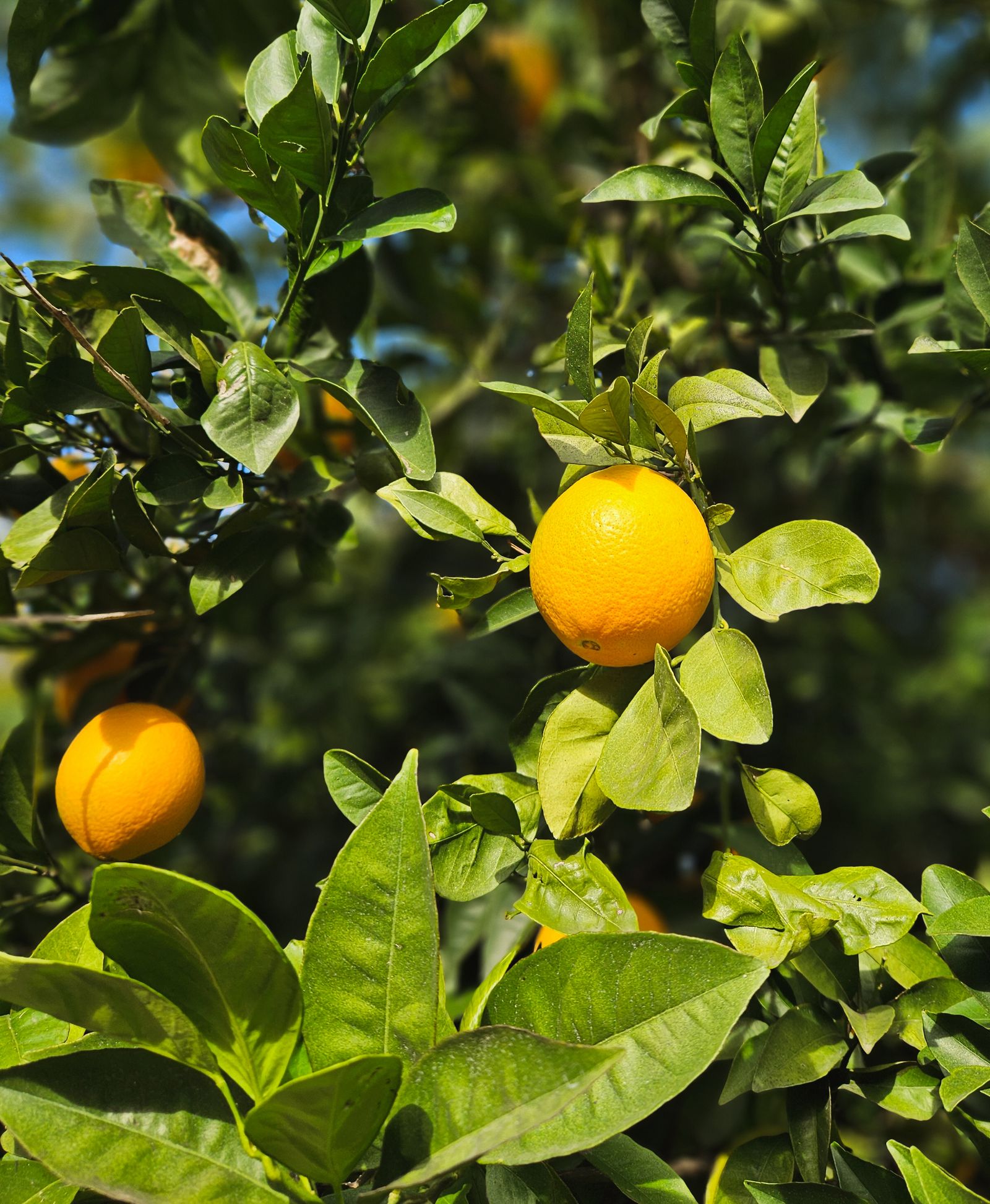
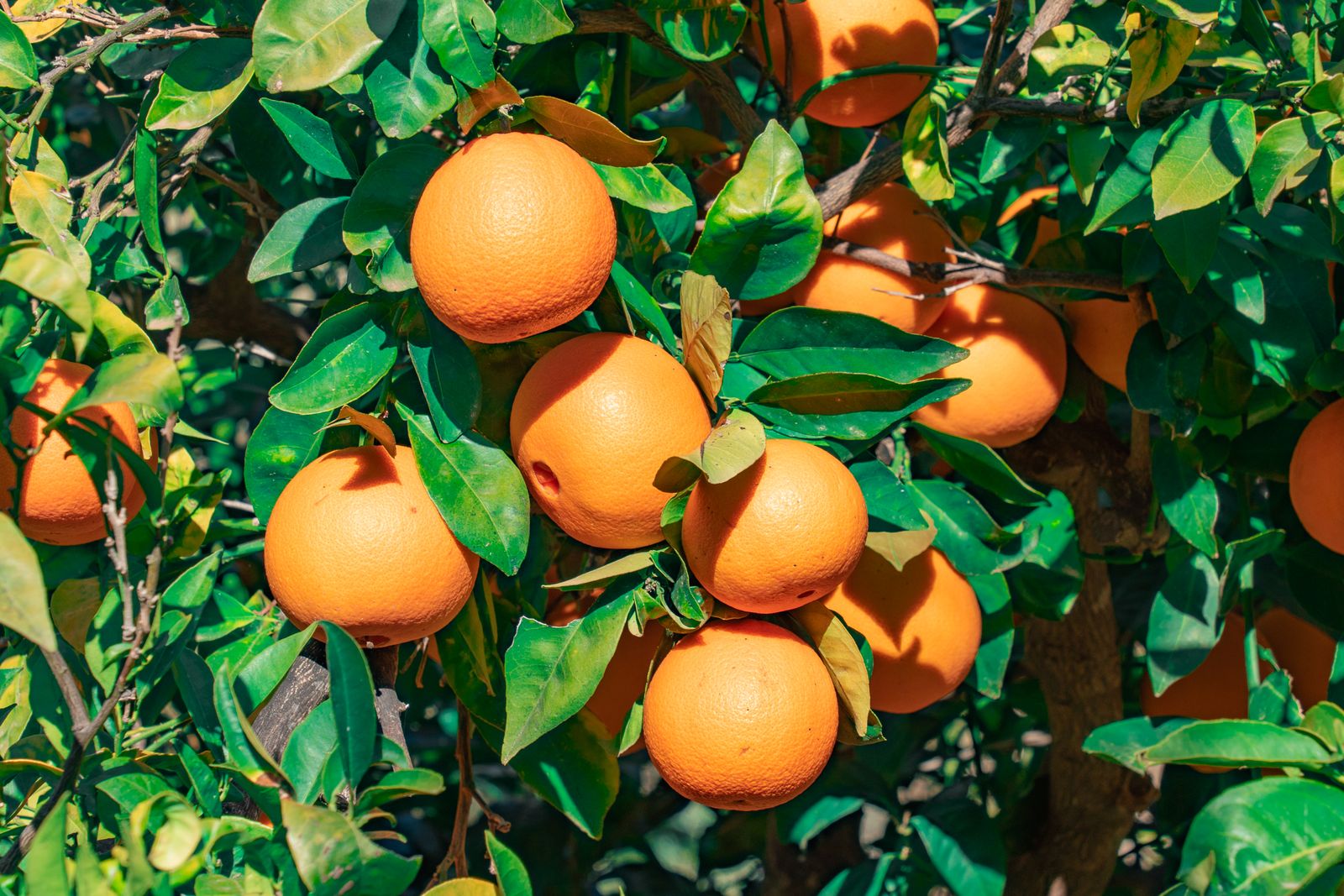
Whole citrus like Kinnow can fit into a balanced diet in moderation. Here is what to keep in mind — and why it is best to ask your doctor.
Quick answer: In moderation, whole Kinnow can be part of a balanced diet for many people, because it has fibre and water and is not very high in calories. But everyone is different, so please check with your doctor or dietitian for advice that fits you.
Things to keep in mind
- Eat the whole fruit: the fibre in whole Kinnow is better than juice for blood sugar.
- Watch portions: fruit still has natural sugar, so keep to sensible amounts.
- Prefer fresh over juice: juice removes fibre and is easier to over-drink.
- Pair it: eating fruit with a protein or some nuts can help.
Why talk to a professional
Diabetes care is personal. The right amount of fruit depends on your health, medication and diet. A doctor or dietitian can give advice made for you. This article is general information only and is not medical advice.
Frequently asked questions
Can diabetics eat Kinnow?
Many people can enjoy whole Kinnow in moderation as part of a balanced diet, but you should check with your doctor for advice that fits your health.
Is whole Kinnow better than juice for blood sugar?
Generally yes, because whole fruit keeps its fibre, which juice removes. This is general information, not medical advice.
How much Kinnow is okay?
Portion sizes are personal. A doctor or dietitian can advise the right amount for you.
Keep reading
Kinnow vs Orange: What's the Difference?
They look similar, but a Kinnow isn't an orange. The short version: Kinnow is a mandarin hybrid — juicier, more tart, more seeds, and higher in some nutrients.
When Is Kinnow Season? A Harvest Guide for India
Kinnow is a winter fruit. In India the harvest runs roughly December through February, and the fruit is at its sweetest from mid-January to mid-February.