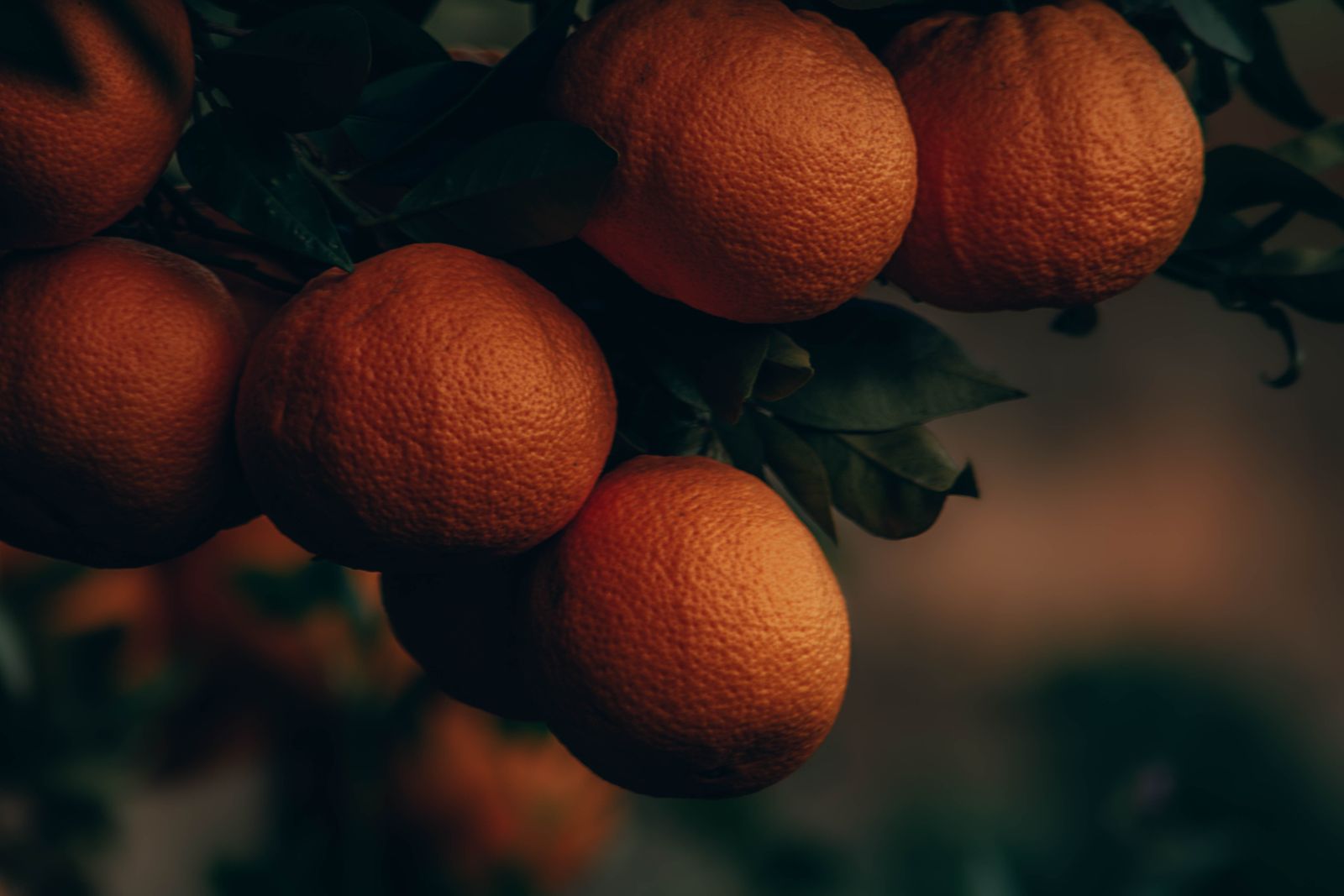
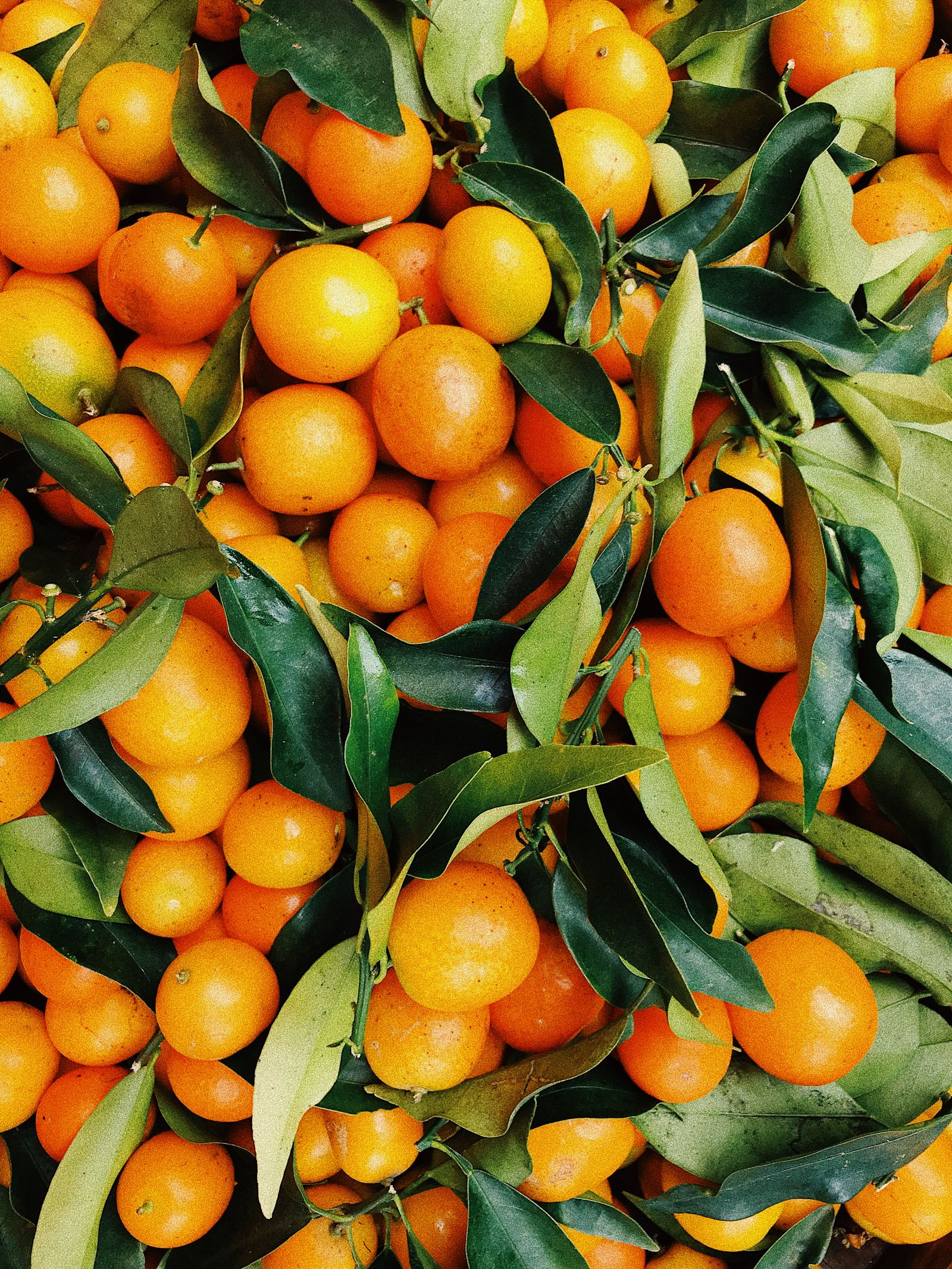
With up to half its weight in juice, Kinnow is made for juicing. Done right, it is fresh, sweet-tart, and full of vitamin C.
Quick answer: Kinnow is one of the juiciest mandarins (about 48–52% juice). To make good juice, squeeze the fruit and strain out the seeds — the seeds are what cause bitterness if they are crushed.
Benefits of Kinnow juice
- High in vitamin C, which supports immunity.
- Hydrating and refreshing, especially in the dry season.
- Often recommended to help digestion.
- A natural source of energy with no added sugar when fresh.
How to make Kinnow juice at home
- Roll and cut: roll the fruit, then cut it in half.
- Squeeze: use a hand press or citrus juicer.
- Strain: pass the juice through a strainer to remove seeds and pulp.
- Serve fresh: drink straight away for the best taste and nutrition.
The one rule to remember: keep the seeds out of the blender. Crushed Kinnow seeds make the juice bitter. A simple hand squeeze and a strainer avoid the problem completely.
Frequently asked questions
Is Kinnow good for juice?
Yes. With around 48–52% juice, Kinnow is one of the juiciest mandarins and is widely used for fresh juice.
Why is my Kinnow juice bitter?
Bitterness usually comes from crushed seeds. Squeeze the fruit and strain the juice instead of blending it whole.
Is Kinnow juice healthy?
Fresh Kinnow juice is rich in vitamin C and hydrating. Like all juice, enjoy it in sensible amounts. This is general information, not medical advice.
Keep reading
Kinnow vs Orange: What's the Difference?
They look similar, but a Kinnow isn't an orange. The short version: Kinnow is a mandarin hybrid — juicier, more tart, more seeds, and higher in some nutrients.
When Is Kinnow Season? A Harvest Guide for India
Kinnow is a winter fruit. In India the harvest runs roughly December through February, and the fruit is at its sweetest from mid-January to mid-February.