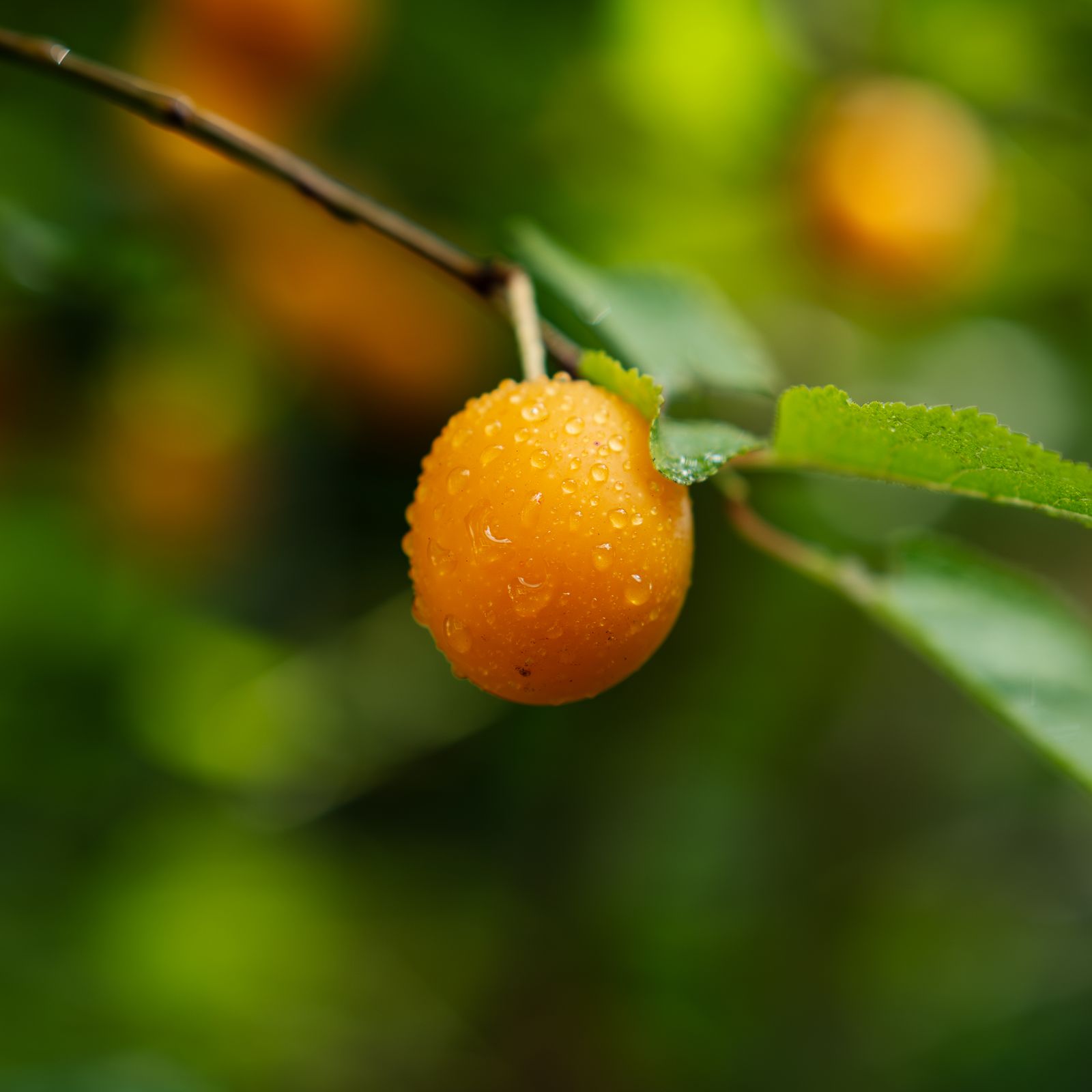
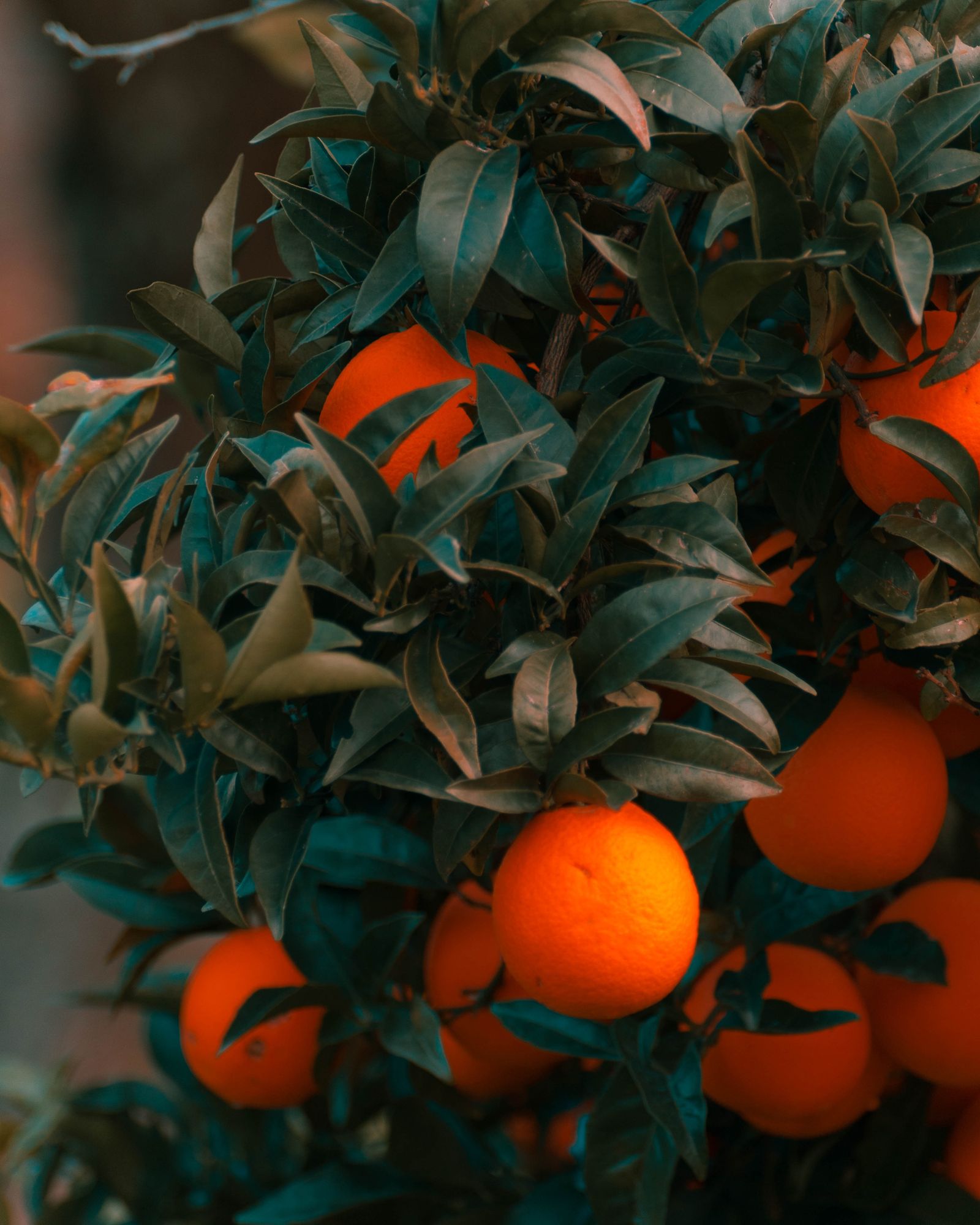
If you buy Kinnow at volume, grade and size decide the price and the use. Here is what the grades mean in plain terms.
Quick answer: Kinnow is sorted by size and quality. Larger, uniform, deep-coloured fruit is the top grade and goes to fresh retail and export. Smaller or less even fruit is a lower grade and is often used for juicing.
How grading works
After harvest, the fruit is sorted — often by hand — into grades based on size, colour, and how free it is from blemishes. Bigger, cleaner, more even fruit earns a higher grade and price. This sorting is what makes a crate consistent.
Which grade should you buy?
- Top grade (large, even, deep colour): best for fresh retail and export.
- Mid grade: good all-round fruit for markets and shops.
- Juicing grade (smaller or uneven): ideal for juice and processing at a lower cost.
The right grade depends on your use. Do not pay top-grade prices for fruit you will juice, and do not sell juicing-grade fruit as premium retail. Matching grade to use is how good buyers save money.
Frequently asked questions
How is Kinnow graded?
By size, colour and quality. Larger, even, deep-coloured fruit is the top grade; smaller fruit is graded lower.
What is the best grade of Kinnow?
The top grade is large, uniform and deep orange, and is used for fresh retail and export.
Which grade is best for juicing?
Smaller or less uniform fruit is well suited to juicing and costs less than top-grade fruit.
Keep reading
Kinnow vs Orange: What's the Difference?
They look similar, but a Kinnow isn't an orange. The short version: Kinnow is a mandarin hybrid — juicier, more tart, more seeds, and higher in some nutrients.
When Is Kinnow Season? A Harvest Guide for India
Kinnow is a winter fruit. In India the harvest runs roughly December through February, and the fruit is at its sweetest from mid-January to mid-February.