Good Kinnow takes a full year of care. Here is how the fruit goes from spring blossom to the crates you buy in winter.
Quick answer: Kinnow grows on citrus trees over a full year — flowering in spring, growing through summer, and ripening in winter. The best fruit is left to ripen on the tree and then hand-picked and hand-graded.
The year in the grove
- Spring: the trees flower with white blossom.
- Summer: small fruit sets and grows; careful watering is key.
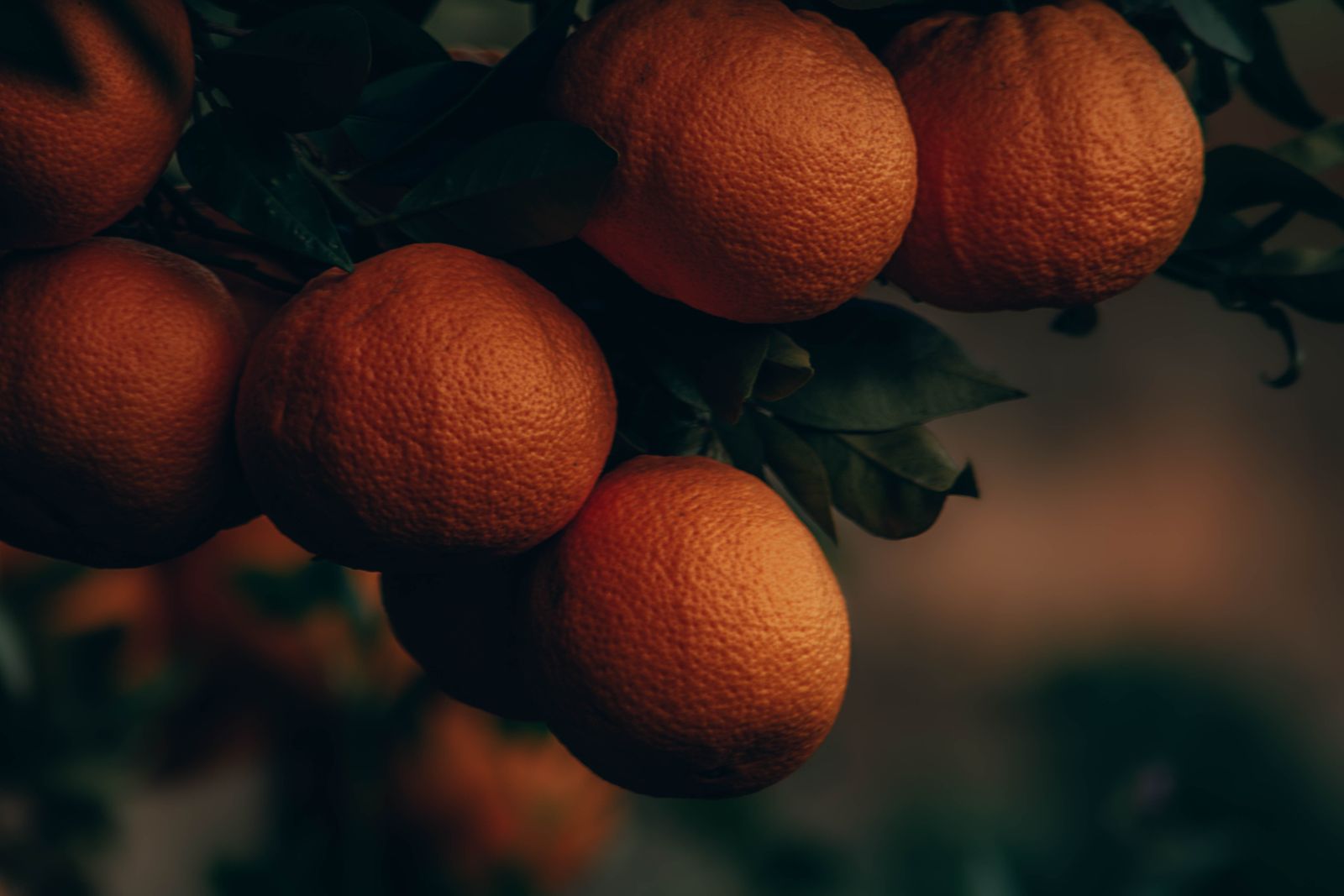
- Autumn: the fruit sizes up and starts turning orange.
- Winter: the fruit ripens fully and is harvested (December to February).
Why tree-ripening matters
Kinnow builds its sweetness on the branch. Fruit picked too early stays sharp. That is why we wait for the right balance of sugar and acid before picking — it is the difference between a sharp fruit and a truly sweet one.
Picking and grading
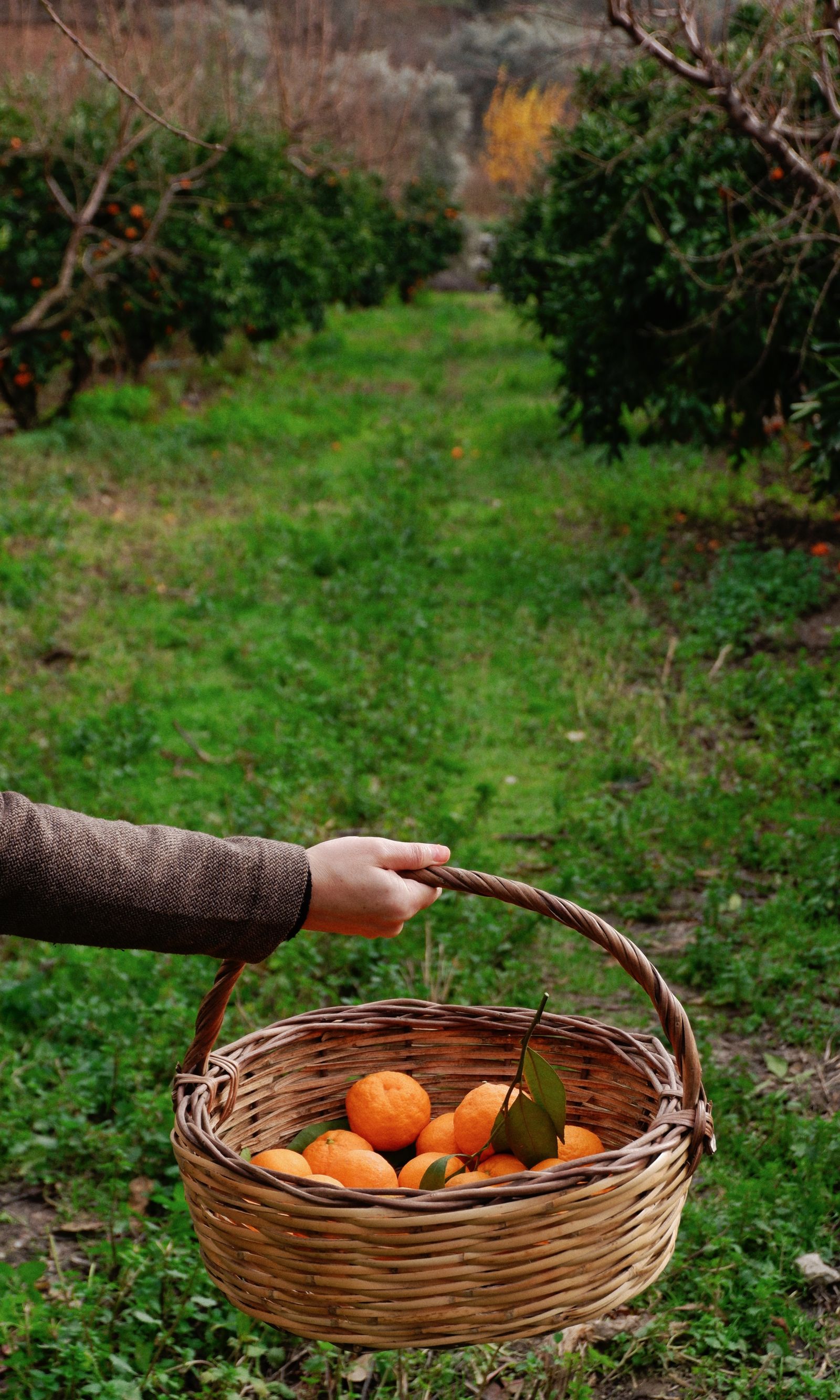
At peak ripeness, the fruit is hand-picked to protect both the fruit and the tree. Then every fruit is sorted by hand for size, colour and quality, so what leaves the grove is even and ready for market.
Frequently asked questions
How long does it take to grow Kinnow?
The fruit grows over a full year, from spring blossom to winter harvest.
When is Kinnow harvested?
In India, Kinnow is harvested from December to February.
Why is tree-ripened Kinnow better?
Kinnow gains its sweetness on the tree, so tree-ripened fruit tastes far better than fruit picked green.
Keep reading
Kinnow vs Orange: What's the Difference?
They look similar, but a Kinnow isn't an orange. The short version: Kinnow is a mandarin hybrid — juicier, more tart, more seeds, and higher in some nutrients.
When Is Kinnow Season? A Harvest Guide for India
Kinnow is a winter fruit. In India the harvest runs roughly December through February, and the fruit is at its sweetest from mid-January to mid-February.